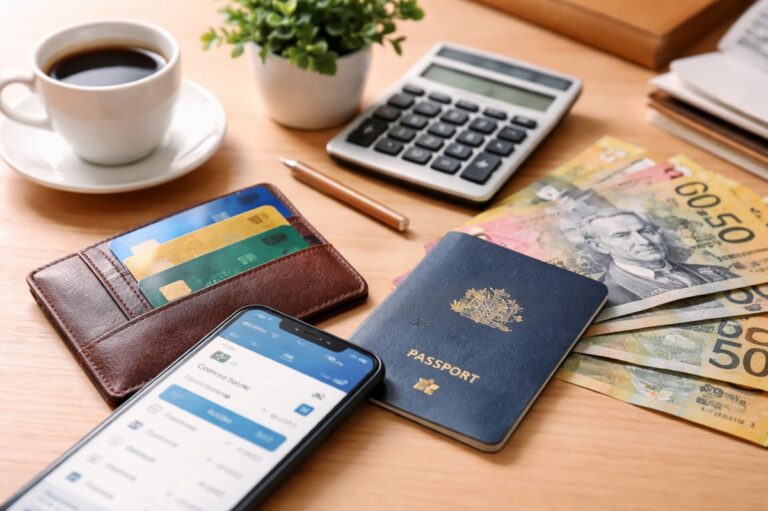
Managing personal finances in Australia can be challenging, especially when daily expenses are paid with a credit card that quietly accumulates interest. Many consumers rely on cards for groceries, transport, subscriptions, and small indulgences, often without realizing how quickly interest charges can grow if balances are not handled carefully.
Understanding interest dynamics in Australia
Interest rates on cards in Australia are influenced by a mix of market conditions, bank policies, and individual consumer behavior. Unlike some countries where rates are more tightly regulated, Australian providers have a wide range of offers, from low-rate products aimed at balance transfers to premium options with rewards and perks that often come with higher charges.
Interest usually applies when you carry a balance beyond the statement due date, and it can compound daily, making even modest spending expensive over time. By becoming familiar with how interest is calculated and when it starts accruing, consumers are better positioned to make informed decisions.
Smarter habits for daily spending
Everyday purchases do not have to translate into long-term debt. One effective approach is treating your card as a payment method rather than a borrowing tool, ensuring balances are cleared regularly. Small behavioral shifts, such as checking your account weekly, can prevent minor expenses from snowballing into costly obligations.
Choosing better financial products and support
Australian financial institutions frequently update their offerings, and consumers who periodically review their options may find lower-rate alternatives better suited to daily use. Comparing products through independent platforms and considering credit unions can reveal competitive rates that traditional banks may not advertise prominently.
👉 Read also: How to maximize points on online purchases made by consumers in Australia